Roseburg Neighborhoods Guide to Everyday Living
March 24, 2026
March 24, 2026
Choosing a neighborhood is really about choosing a daily rhythm. In Roseburg, a few blocks can change your commute, your access to parks, and how quickly you can run errands. If you know what your weekdays and weekends look like, you can zero in on the part of town that fits. In this guide, you’ll match your routine to Roseburg’s core areas, see typical housing styles, understand commute and transit options, and get a clear next step. Let’s dive in.
Before you look at listings, sketch your week. A quick self-check keeps you focused on fit, not just photos.
Roseburg serves as Douglas County’s regional hub for health care, timber, and education. The city’s fiscal report lists principal employers such as Roseburg Forest Products, Mercy/CHI Medical Center, the VA Medical Center, Seven Feathers, Swanson Group, and Umpqua Community College. You can see the employer context in the City’s FY2025 report on principal employers for commute planning and demand patterns. City of Roseburg’s FY2025 report
Umpqua Community College sits on College Road and anchors the southeast side. That makes nearby neighborhoods practical for students and staff who want short commutes to campus. Umpqua Community College
Most central neighborhoods are within about a 5 to 20 minute drive of major employers, with outlying towns adding time depending on distance and traffic. If commute time matters to you, test your specific route at your typical hour.
What it feels like: This is Roseburg’s walkable heart, with Main Street shops, local restaurants, and galleries close to the river. Stewart Park and the connected riverfront path make quick morning walks and after-dinner outings easy. Check the parks guide to preview the riverfront loop and seasonal events at the Half Shell. Roseburg Parks & Recreation guide
Homes you’ll see: Turn-of-the-century cottages, Craftsman and bungalow homes in historic districts like Mill–Pine and Laurelwood. Lots are smaller, and many homes have been thoughtfully renovated. For historic context and listings of local districts, the city’s historic database is a helpful reference. City historic database
Budget feel: Central neighborhoods often trend on the lower-to-mid side compared with some north-side areas, with renovated historic or townhome options pushing higher. Different sites measure price differently, so confirm live numbers with your agent.
Best for: You want daily walkability, river access, historic charm, and a lower-maintenance yard.
What it feels like: West Harvard is the practical retail corridor, with grocers, pharmacies, and services. Garden Valley and Stewart Parkway connect many of those everyday stops. As you head toward Melrose, the landscape shifts to larger lots, vineyards, and a rural feel.
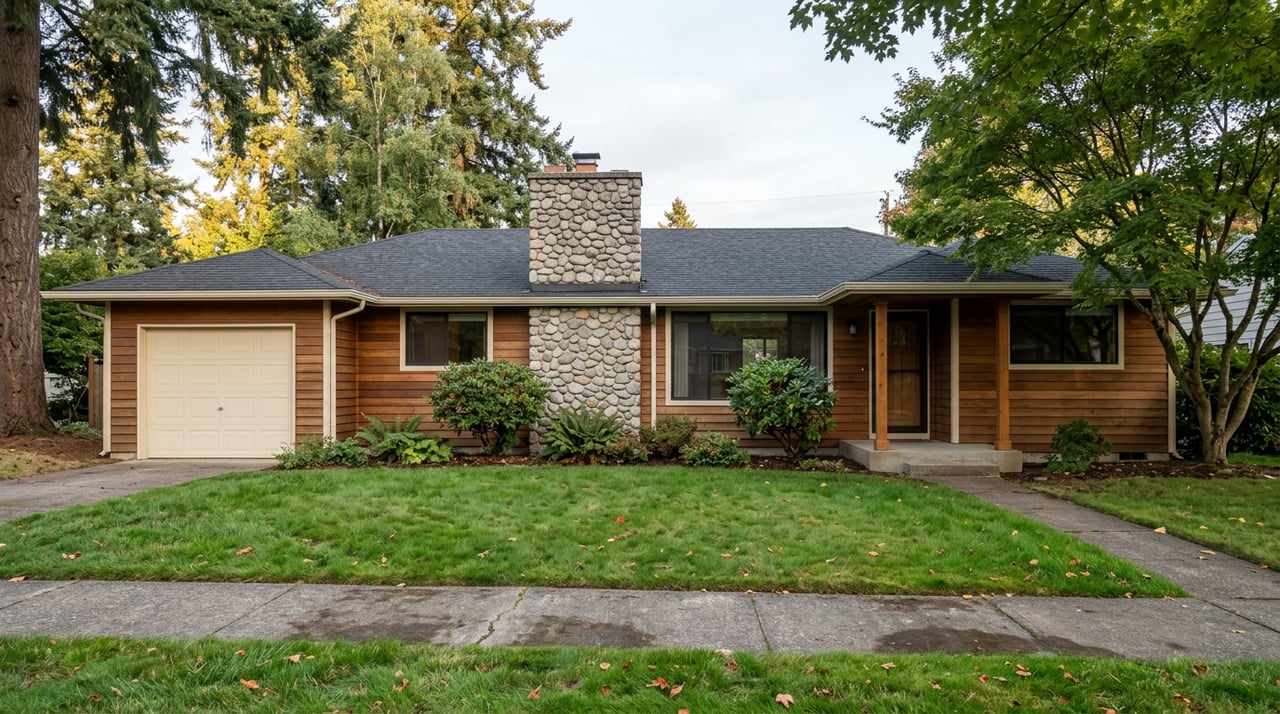
Homes you’ll see: Single-story ranch homes near the shopping corridor, some mid-century properties, and then custom or rural builds with acreage as you move west. If wineries are part of your weekend plans, you’ll find multiple tasting rooms in and around this corridor. Roseburg wineries overview
Budget feel: Prices vary widely here. Homes near the retail corridor are often mid-market, while vineyard and acreage properties can command more depending on size and improvements.
Best for: You want easy errands and transit, or more land and a rural routine with longer drives.
What it feels like: The north and northeast side includes newer subdivisions, larger lots, and many of the area’s higher-value streets with views. Quick access to I‑5 is a plus for regional commuters.
Homes you’ll see: Newer single-family homes, small planned communities, and custom builds. You’ll see fewer very old homes than downtown.
Budget feel: Often the higher end of local single-family pricing for newer construction and larger yards. Check current MLS data to set expectations for size and finishes.
Best for: You prefer newer builds, extra space, and a short hop to I‑5.
What it feels like: Practical for UCC staff and students and for buyers who want easy access to the college or the airport corridor. Daily drives are straightforward, and most errands remain a short trip.
Homes you’ll see: A mix of post-war and mid-century homes, plus manufactured-home communities in some pockets. County and census resources show a meaningful share of older housing citywide and a notable percentage of manufactured units in some subareas, which can offer value and flexibility. Douglas County Hazard Mitigation Plan | ACS housing characteristics
Budget feel: Often mid-to-lower compared with newer north-side neighborhoods, making it a practical option for shorter UCC commutes.
Best for: You want a quick campus drive and a wider range of price points.
What it feels like: Rural parcels, vineyards, and recreation nearby. Wildlife Safari is just south in Winston, and wineries dot the region. Commutes into downtown are typically 10 to 30 minutes, based on distance.
Homes you’ll see: Rural residences, modern country builds, manufactured options, and vineyard or horse properties. Quality and price vary widely by acreage, water, and improvements.
Budget feel: Per-acre pricing and outbuildings drive value. Plan for more variability than in-town subdivisions.
Best for: You want space, quiet, hobby farming potential, or tourist-adjacent rental possibilities, and you are comfortable trading short errands for land.
Roseburg’s size keeps most daily drives short, and local transit links many practical stops.
If you want quick access to trails and playgrounds, downtown and the riverfront offer a daily outdoor routine. Stewart Park is the city’s largest contiguous park and links to other green spaces along the South Umpqua River, with multiuse paths, playgrounds, and seasonal events. Review the city’s parks guide to see the Stewart Park loop, Half Shell events, and connected trails. Parks & riverfront overview
Living near the river has seasonal considerations. After major storms in 2025, the city reported flood-related closures and repairs at some low-lying sites. If you are considering a river-adjacent property, ask about elevation, flood history, and insurance. City flood response update
Different market trackers measure different things, which is why numbers vary. As of the most recent snapshots noted in citywide trackers:
Use these as broad context and verify live comps and trends through the MLS at the time you shop. Neighborhood medians also vary within the city. In general, central and river-adjacent historic areas tend to price lower than some newer north-side neighborhoods, while acreage in rural corridors can command premiums based on land and improvements.
Roseburg has several National Register districts near downtown, including Mill–Pine and Laurelwood. That means character architecture, older systems, and renovation considerations. The city’s historic database is a good starting point if you want to understand the styles and eras you’ll encounter. Historic districts overview
Citywide, a notable share of housing was built before 1970, and manufactured housing is a meaningful part of the mix in some areas. Older stock can offer value and variety, but plan for inspections that address roofing, foundations, electrical, plumbing, and potential updates. Douglas County housing age context | ACS housing table
Here is a simple, step-by-step path to align your choice with your everyday life:
You deserve calm, clear guidance while you choose where to live. Our team pairs long-term local expertise with detail-focused advocacy:
Ready to map your routine to the right Roseburg neighborhood and see homes that match? Reach out to Gina Evenich to schedule a short consultation or request a pricing overview for your target areas.
From first-time buyers to seasoned investors, we treat every client’s goal as our own. We pride ourselves on strong communication and a detail-oriented approach that protects your interests at every turn. Reach out to us for a supportive, professional real estate experience.